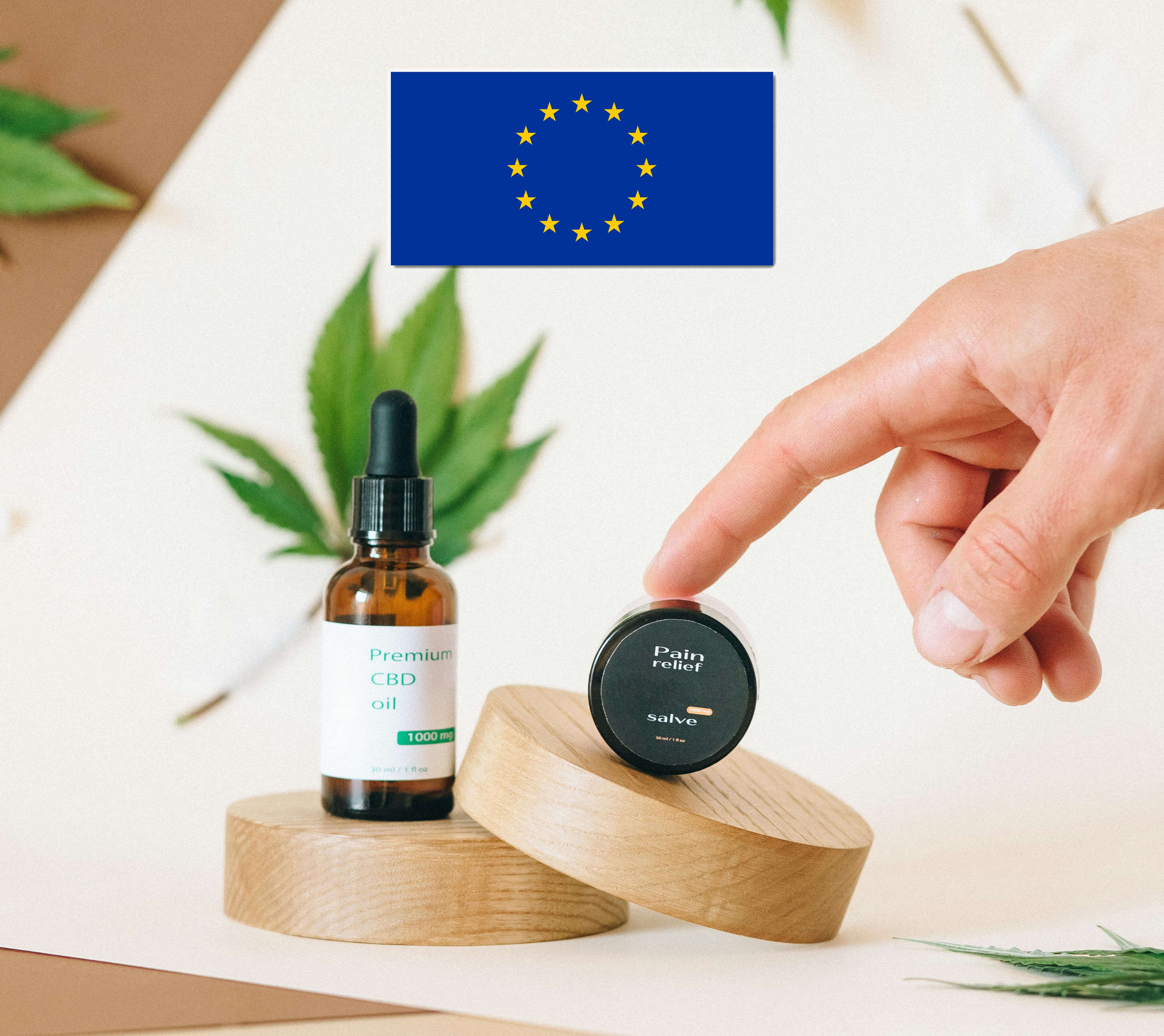


I’m grateful every day that I now have access to cannabis as an alternative to pharmaceutical drugs. It’s helped me manage the pain I get in my feet and knees—without all the miserable side effects I grew up experiencing.
But as much relief as it gives me now, there’s something I can’t stop thinking about:
What about the kids who are dealing with chronic pain today the way I did?
Are they given more options? Or are they still being given the same pills I grew up taking—even though we now know how risky some of them are when you’re on them long term?
The Source of My Pain When I Was a Kid
My feet and knees have hurt for as long as I can remember because of the deformities I was born with. I had clubbed feet and knees that didn’t have the structure to keep my kneecaps in place.
My feet were surgically re-positioned outward when I was a year old, but even short periods of walking or standing left them aching. Doctors told me the pain wouldn’t improve until my knees were corrected—something I’m still dealing with today. Because my knees lacked the shape to hold my kneecaps in place, they would easily dislocate, especially when I ran or walked down stairs.
Sometimes a kneecap would get stuck, literally jutting out from my leg, and I’d have to push it back into place myself. The pain was excruciating.
When I was eight years old, my doctor attempted to surgically reconstruct my knees, but the procedure made them even more unstable. I needed prescription knee braces just to walk anywhere outside my house after that, where I could at least lean on walls or furniture for support.
I was told I’d have to wait until my teens for another surgery. That one also failed to stop the dislocations, though it stabilized my knees enough that I could finally walk outside without my braces on.
Eventually my doctor concluded that the only option was to avoid any physical activity involving my legs—including most leg exercises. That restriction caused my leg muscles to atrophy, as they remain today, and it continues to contribute to my knee pain.
My Only Relief
Pharmaceutical drugs were the only relief I had at the time.
At home, I kept a vial of opioids, a couple tall vials of bright-pink 800 mg ibuprofen pills, and a big container of extra-strength Tylenol. Doctors reminded me to use them only when the pain was “really bad” and not for too long because they were “dangerous.”
But Tylenol and ibuprofen? They said I could take those whenever I needed. I trusted them, so I took them regularly for years. Only later did I learn how damaging long-term use of them can be. I still can’t understand why they were prescribed to me for so long in endless quantities if that was the case.
The opioid pills left me so out of it that I’d literally fall asleep on my textbooks, whether at home or at school. I fell behind in school constantly because I could barely stay awake long enough to finish my assignments.
Where Is the Concern About the Long Term Effects of Pharmaceutical Drugs Given to Kids?
Anytime cannabis and children get brought up together, people tend to panic a little. And that’s understandable—kids are growing, changing, developing, and we want to protect them. There’s still so much we’re learning about cannabis and long-term brain development.
But what’s hard for me to understand is why I never see the same concern for the pharmaceutical drugs kids are already taking. Many of those medications have their own long-term risks, yet there isn’t the same level of public worry or scrutiny.
I wish there had been.
Maybe I would have been able to focus more in school. And, maybe I would have had more memories about learning and less about how difficult it was to stay awake and focus.
Kids Deserve Options, Too
I’m grateful that as an adult I finally have access to something that helps me without hurting me. But I can’t help thinking about the children with chronic conditions still mostly reliant on pharmaceutical drugs the way I was.
I’m not saying cannabis should be the go-to solution for kids. It shouldn’t. We don’t have long-term research, and developing brains need to be protected. At the same time, there are real cases–especially with severe epilepsy–where CBD-rich cannabis oils have helped children after every pharmaceutical option failed them.
But I am saying it’s troubling that pharmaceutical drugs are not treated with the same caution—even when some of them come with serious, well-documented risks–and more effort needs to be made to develop safer pharmaceutical options or alternative therapies for kids.
Adults have alternatives. Kids deserve them too.