

Every time I’ve had knee surgery and been prescribed opioid pain medication, I’ve run into the same problem: I’m given a dosing schedule that isn’t supported by the number of pills I’m actually prescribed. So years ago, when I had both knees replaced and the ligaments in my legs reconstructed at age 42, I added cannabis to my recovery plan to avoid that problem.
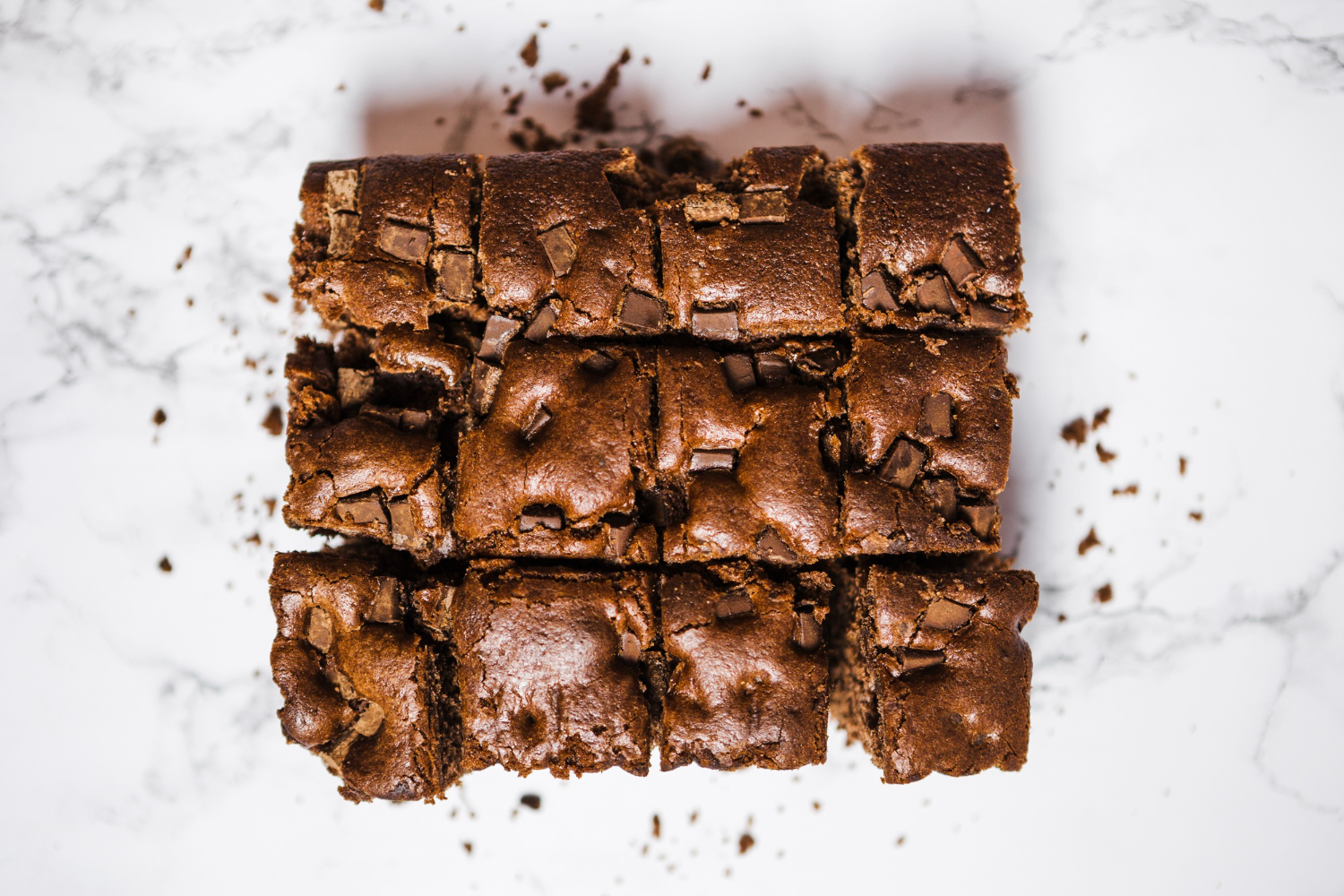
The pain after surgery was so intense I needed a pain-blocking injection in the hospital. During the first week, I took the opioids my doctor prescribed. But by the second week—once the worst had passed—I started swapping my nighttime dose for a couple bites of a potent cannabis brownie I’d bought beforehand.
Managing My Pain: Opioids vs. Cannabis
The opioids dulled the pain, but only for four to five hours. I’d fall asleep, then wake up in the middle of the night when they wore off—leaving me with a choice: take another dose and risk running out early, or lie awake in pain and lose the healing sleep I needed. Switching to the cannabis brownie at night broke that cycle. Two bites helped me sleep at least 6 solid hours or more, and I’d wake up with less pain, throbbing, and more energy to get through the next day. It improved my recovery, helped me conserve my opioid prescription so I never had to worry about running out, and helped me not get addicted to them.
Why Regulation Makes This Harder Now
That approach would be much harder today. Under Proposition 64, the strongest edible I can legally buy in California is capped at 100 mg THC—only one-tenth the potency of the brownie that helped me sleep through the night. To get the same effect now, I’d have to eat ten times the amount, which means more cost, more sugar, and more preservatives.
While a higher THC percentage isn’t always better—and shouldn’t be the only thing people look at—the edibles available since the THC cap took effect simply don’t provide the same level of relief. One or two bites no longer help me sleep through severe pain like they did after knee surgery, and reaching the dose that does work now costs significantly more.
That’s where it stops working for patients like me. The current THC cap might make sense on paper, but it ignores the reality for people who rely on cannabis to manage serious pain. Lower-dose products force us to buy and eat more just to reach the same level of relief—and that makes it far more expensive for us when we need it most. That’s the part lawmakers seem to overlook.